Home

Prof. Giovanni MAGLIA: "Nanopore as single-molecule nano-reactors: from single-molecule protein sequencing to real-time protein dynamics"
Prof. Giovanni Maglia - University of Groningen, The Netherlands Chief Scientific Officer at Portal Biotech.His research interests include nanopore biophysics, single-molecule enzymology, single-molecule proteomics and sensing, as well as designing artificial transmembrane machines. In 2021, he founded Portal Biotech to commercialize his group’s proprietary nanopore technology, securing $10 million in seed investment and $30 million in Series A funding. Maglia currently serves as the Chief Scientific Officer at Portal Biotech.
Dr. Roger Castells: Programmed Nanomachines: From Viruses to Designed Protein Cages Visualized by Cryo-EM
Dr. Roger Castells (Spanish National Cancer Research Center (CNIO), Madrid, Spain)
Viruses are remarkable programmed nanomachines that undergo large-scale structural rearrangements to become functional and infectious. Understanding how these molecular assemblies form and transform provides fundamental insights into biological self-assembly while inspiring new approaches in protein engineering. Using high-resolution cryo-electron microscopy (cryo-EM), we have captured five intermediate states along the maturation pathway of Nudaurelia capensis omega virus (NωV), revealing with unprecedented detail the molecular mechanisms that drive the transition from an immature procapsid to an infectious virion. Beyond viral maturation, these studies uncover general principles of protein assembly that can be applied to the design of synthetic symmetric architectures. Building on these insights, we are engineering protein cages for applications in structural biology and biomedicine, including imaging scaffolds that enable cryo-EM structure determination of otherwise challenging small proteins. Together, these examples illustrate how studying natural nanomachines can inform the design of new molecular tools with broad biological applications.
Combining chemogenetic and photoactivated chemotherapy to overcome multidrug resistance in glioblastoma
Dr. Daria Kotova is a biochemist with a strong background in molecular biology, redox biology, and in vivo preclinical disease models. She has extensive experience in developing innovative tools for imaging fast-reactive molecular species, with a particular focus on their real-time visualization in living systems.
Currently based at the Leiden Institute of Chemistry in the Metals in Catalysis, Biomimetics & Inorganic Materials group (MCBIM), Daria is a Marie Skłodowska-Curie Postdoctoral Fellow. Her research integrates expertise in redox biology and light-controlled therapies to develop novel therapeutic strategy for glioblastoma, one of the most aggressive and treatment-resistant forms of brain cancers.
Prof. Ronan McCARTHY - Exploring the regulation of virulence and novel virulence factors in priority pathogens
"Exploring the regulation of virulence and novel virulence factors in priority pathogens"
Second messenger signalling pathways are known to play a fundamental role in governing bacterial physiology and mediating rapid adaptive responses to stimuli. Despite the extensive characterisation of second messenger signalling systems such as the cyclic di-GMP (c-di-GMP) signalling system in pathogens, relatively little is known about the role of these pathways in the priority pathogen Acinetobacter baumannii. To address this, we carried out a comprehensive exploration of c-di-GMP signalling across multiple modern A. baumannii clinical isolates. This talk will explore this second messenger’s regulon and its role in biofilm formation and other virulence-associated behaviours. The talk will also explore the characterisation and regulation novel virulence factors such as plastic degrading enzymes in other priority pathogens including Pseudomonas aeruginosa.
Friday Talk: Joana Pereira (VIB.AI)
Charting the dark corners of the protein function space in the era of AI. A free lecture organised by the VIB-VUB Center For Structural Biology. Friday 27th February 2026 at 11h00 AM in conference room D.2.01. Followed by a Phd. & Postdoc lunch.
Dr. Radoslav ENCHEV on: "Advancing the Development & Applications of Time-Resolved Cryo-EM"
28/11/2025
A detailed understanding of the structural transitions that drive biochemical processes is critical for advancing both basic science and therapeutic discovery. While cryo-electron microscopy (cryo-EM) can, in theory, capture all conformational states of a macromolecule, short-lived high-energy intermediates often go undetected under standard steady-state sample preparation. To overcome this limitation, we are developing scalable time-resolved cryo-EM methods to selectively capture these transient states.
Our approach combines microfluidic-based rapid mixing and vitrification with machine learning-driven automation to streamline grid assessment and data acquisition. This enables high-throughput structural snapshots of dynamic molecular events at sub-second resolution. Current efforts focus on increasing experimental throughput and integrating structural data generation more tightly with ML-driven analysis pipelines, ultimately aiming for a lab-in-the-loop workflow.
We apply these methods to diverse systems relevant to drug discovery, with a particular emphasis on DNA repair and targeted protein degradation. By mapping transient structural states in these pathways, we seek to uncover mechanisms that can inform rational therapeutic design
Professor Alexander Sobolevsky from Columbia University
Prof. Sobolevsky is a renowned expert in the structural biology of ion channels.
He uses cryo-EM, electrophysiology, and biophysical methods to explore medically relevant ion channels.
FRIDAY TALK - SEMINAR - Dr. Uladzimir BARAYEU
Evolutionarily conserved cyclo-octasulfur prevents ferroptosis in mammals or why evolution preserved polysulfur in mammals"
Prof. John McKINNEY on: "Microengineered models to study bacterial infections"
Prof. John McKinney, PhD
Director, Laboratory of Microbiology and Microtechnology
Swiss Federal Institute of Technology in Lausanne (EPFL)
Biography: https://people.epfl.ch/john.mckinney
Dr. Joshua SALAFSKY
"Second-harmonic generation (SHG) for high-throughput conformational drug discovery and protein structure measurements"
From Lab to Life: A symphonie of redox sensations
The Messens lab hosted the 15th Brussels Center of Redox Biology Fall Symposium, paired for the first time with the 3rd Biosensor Brussels Symposium!
Dr. Tom SERCU on: "Evolutionary Scale Modeling"
Dr. Tom SERCU on: "Evolutionary Scale Modeling"
Former: Ex-Meta - ESM Team
Current: EvolutionaryScale
Dr. Bryan RAUBENOLT on: "A Perspective on Protein Structure Prediction Using Quantum Computers"
When: Monday, July 1, 2024 at 12:30PM
Where: Room E.0.05
Dr. Bryan Raubenolt
Center for Computational Life Sciences
Lerner Research Institute, The Cleveland Clinic, USA
Prof. John McKINNEY on: "Microengineered models to study bacterial infections"
When: Friday, May 17, 2024 at 11:00AM
Where: Promotion Room D.2.01
Prof. John McKinney, PhD
Director, Laboratory of Microbiology and Microtechnology
Swiss Federal Institute of Technology in Lausanne (EPFL)
Biography: https://people.epfl.ch/john.mckinney
Joana Pereira
Joana Pereira, is visiting our center on the morning of 24th of April. She is interviewing for a faculty position with VIB.AI and is interested in CSB co-affiliation. She will also be giving a seminar in Leuven on the 23rd of April at 10:30.
Joe Watson
Joe Watson will be visiting on the 19th of April. He is giving a talk at 11am. As usual, we will have 1-1 discussions with PIs in the afternoon. Please mark your calendar and let me know if you'd like to talk to the visitor, and if you have any specific time constraint on these dates.
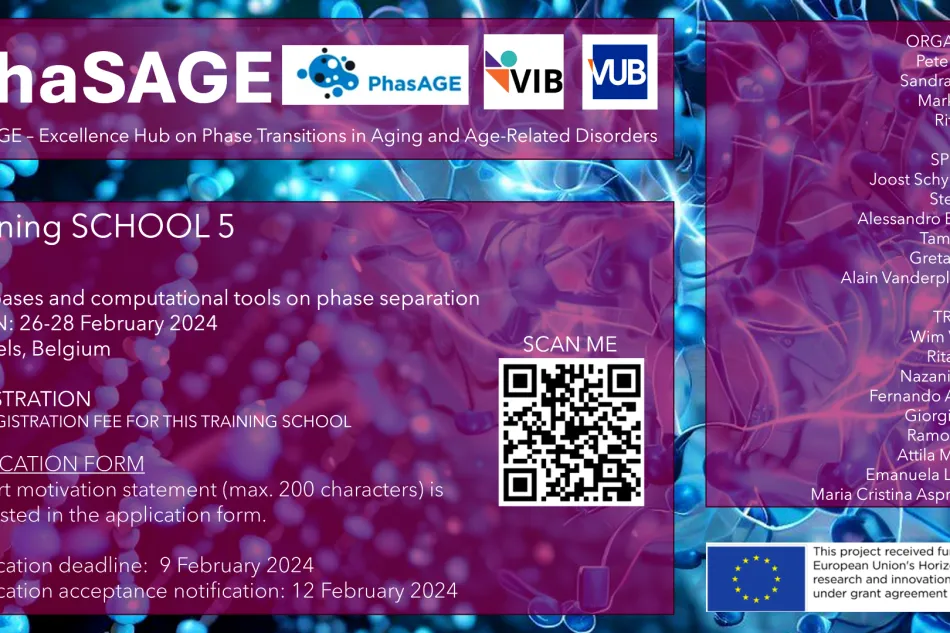
PhasAGE – Excellence Hub on Phase Transitions in Aging and Age-Related Disorders
PhasAGE assembles in a solid collaborative and competitive network to identify and explore the relevance of biomolecular phase transitions in human diseases, particularly age-related disorders.
PhasAGE – Excellence Hub on Phase Transitions in Aging and Age-Related Disorders is funded by the European Union’s Horizon 2020 research and innovation programme Twinning (GA 952334). The project started in January 2021 with a scientific collaboration network between four European institutions.
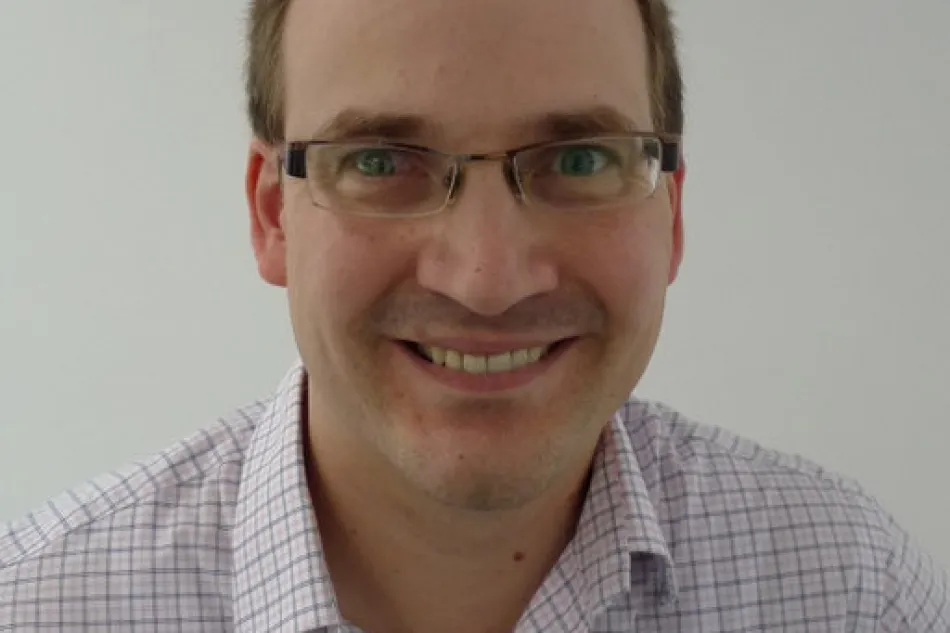
Time-resolved structural biology using the Swiss X-ray Free Electron Laser
The molecular structure of protein-ligand complexes provides much insight into the biochemical processes in living cells. However, to understand protein function, we also need to resolve how proteins interact with their small molecule ligands over time. In this presentation, Dr. Strandfuss will outline the opportunities and challenges of using the Swiss X-ray Free Electron Laser (SwissFEL) to follow protein dynamics at near-atomic spatial and temporal resolution in the femtosecond range.
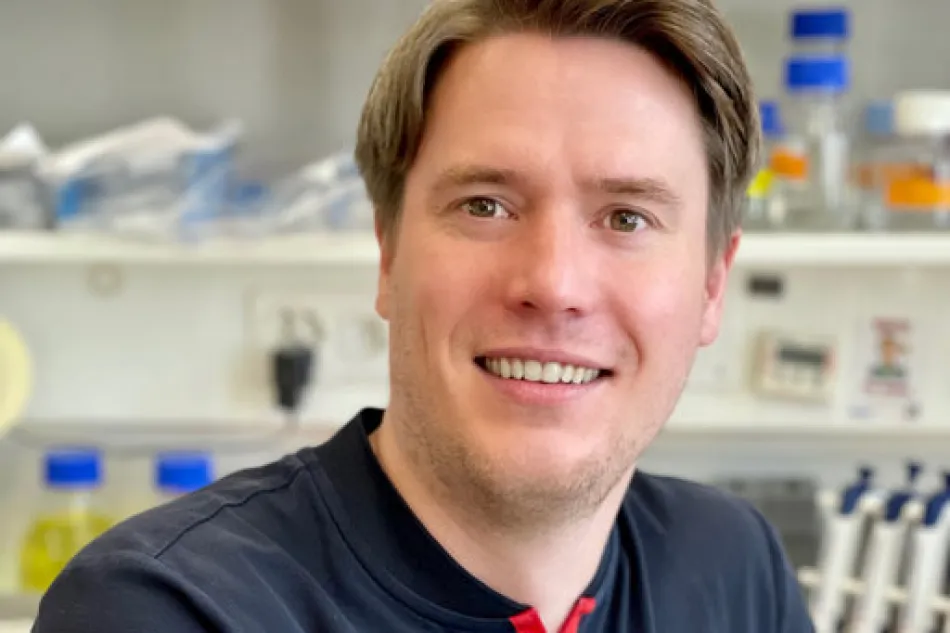
Dr. Andreas Boland - Structural basis of μ-opioid receptor-targeting by a nanobody antagonist
Dr. Boland is our guest speaker during the Cryo-EM meeting in collab with FEI. coming from the university of Geneve and head of the researchgroup Bolandlab, working at the intersection of Structural Biology, Molecular Biology and Cell Biology. The research group leverages the latest developments in Structural Biology, and in particular cryo-electron microscopy (cryo-EM) with complementary biophysical techniques (proteomics, light-microscopy, microfluidics, etc.), to adress complex biological questions in the field of cell cycle regulation and cell signaling. Dr. Boland will give in the afternoon a talk on his current unpublished work. In the morning between 9:30 am and 11:30 am, there is the opportunity to schedule some 1-on-1 talks
Dr. Huong Kratochvil
Proton Channel Activity in de novo Designed Channel Proteins
Protein-mediated selective proton transport is crucial for establishing and utilizing proton gradients in cells. Surprisingly, these proton-conducting pathways, observed in static protein structures, often contain dry apolar stretches that interrupt the flow of protons along water molecule 'wires' and polar side chains. In light of this, we propose that protons navigate these dry regions by creating transient water wires, which are closely associated with the presence of excess protons. To investigate this hypothesis, Huong conducted molecular dynamics simulations to design transmembrane channels that feature stable water pockets interspersed with apolar segments capable of forming flickering water wires. Her findings provide insights into the mechanisms of biological proton conduction and offer principles for engineering proton-conductive materials.
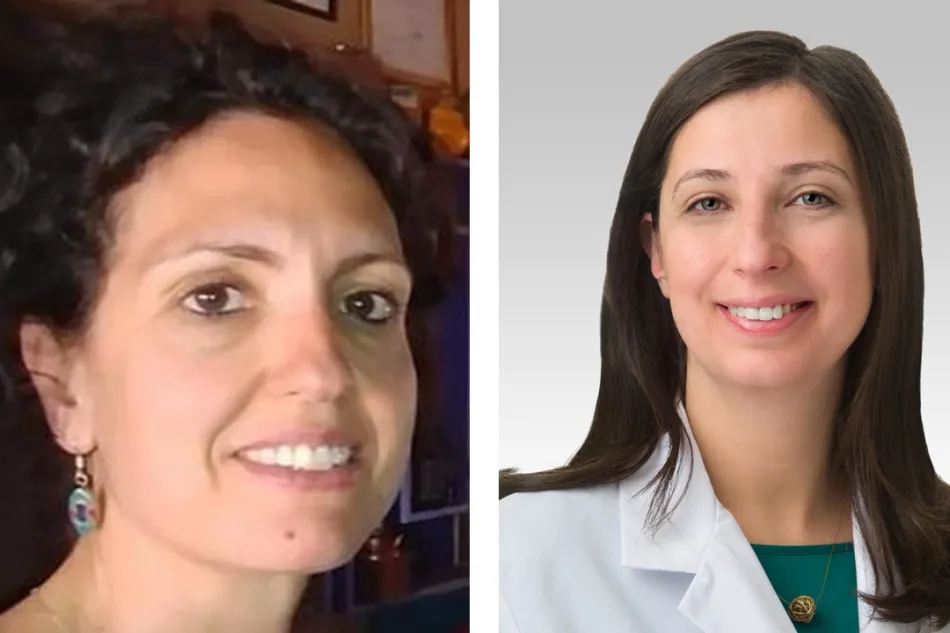
Mechanisms underlying Parkinson’s disease
Vrije Universiteit Brussel,
Etterbeek Campus – Building D, Room D2.01 (Promotion room) 11H00 AM
Dr. Loukia Parisiadou, Northwestern University, Chicago, USA
Presynaptic functions of Parkinson's disease kinase LRRK2
Prof. Elisa Greggio, University of Padova, Italy
LRRK2 function at the postsynaptic site
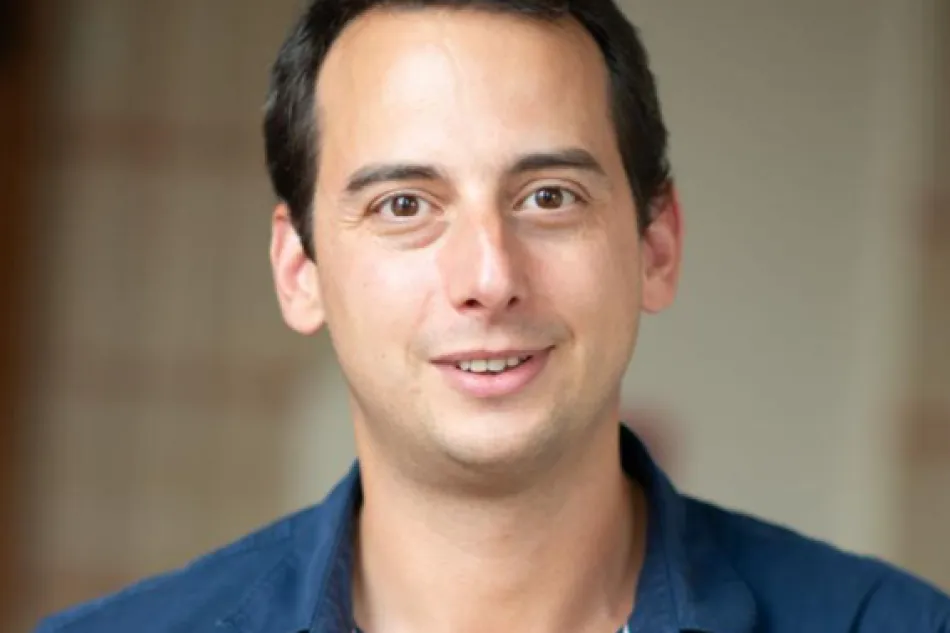
Prof. Dr. Lennart Martens
From start to well beyond finish: AI as a vehicle to new discovery
Lennart Martens is a professor of Systems Biology at Ghent University, and Group Leader in, and Associate Director of, the VIB-UGent Center for Medical Biotechnology. His research interests focus on the application of Machine Learning to high-throughput data, and his current projects include the development of novel, advanced data processing and interpretation algorithms that are driven by artificial intelligence. Dr. Martens is a Fellow of the Royal Society of Chemistry, serves on the Board of the Belgian Proteomics Association, on the proteomics section of the Royal Chemistry Society of Flanders, and has been elected to the Human Proteome Organization (HUPO) Council, and to the HUPO Executive Committee.
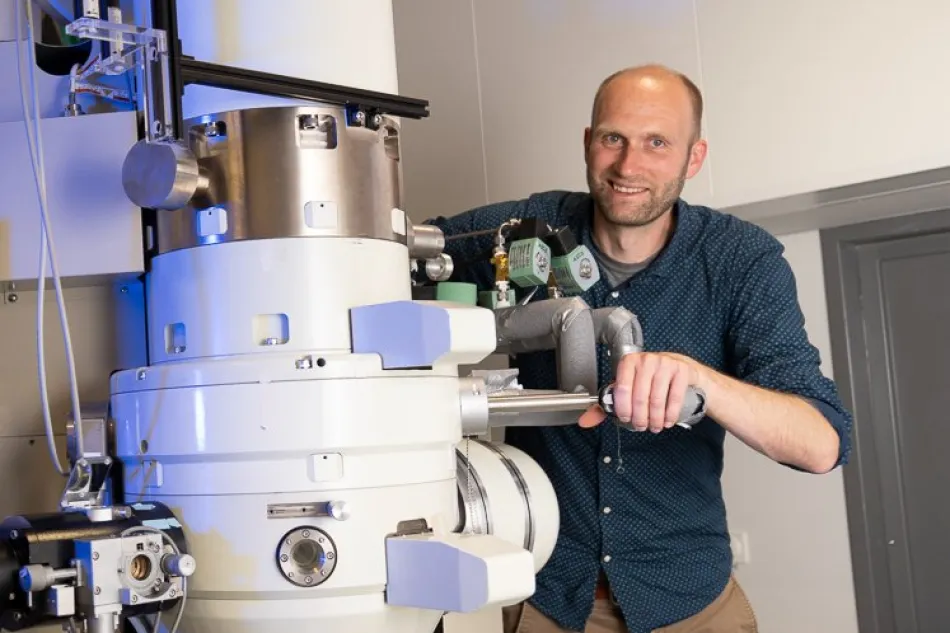
Dr. Arjen Jakobi
Prospects of nanofluidic cavities for cryo-EM sample preparation
Cryogenic electron microscopy has become an essential tool for 3D structure determination of biological macromolecules. Despite many technical advances, the difficulty to reliably prepare samples with uniform ice thickness and the excessive sample loss during grid preparation still present a barrier for routine high-resolution imaging and limit the current throughput of the technique. Nanofabrication techniques employed for Micro-/Nanoelectromechanical Systems (M/NEMS) provide opportunities to miniaturise and automate cryo-EM sample preparation.
Prof. Nicolas Reyes
Nanobodies open a gate into the liver: transport and hepatitis-B virus receptor mechanisms of human NTCP
Nicolas Reyes is professor at the National Center of Scientific Research (CNRS) in Bordeaux, France, and Group Leader at the European Institute of Chemistry and Biology (IECB) in Pessac, France. His laboratory studies the molecular mechanisms of function and pharmacology of human membrane proteins involved in diseases, with a focus on solute carriers (SLCs). SLCs constitute the second largest superfamily of membrane proteins in mammals, and transport a wide range of substrates across cellular membranes, including nutrients, transmitters, metabolites, lipids, and more. Because their substrates are essential to cell and organ functions, the dysregulations of SLCs are linked to a wide spectrum of human diseases, from cancer to neurological disorders.
Dr. Jing Yang
Mapping the Cysteine Redoxome
Jing Yang's research group is interested in advancing chemical proteomic technologies to answer fundamental questions in redox biology. His group has recently co-developed several “clickable” probes for chemoselective labeling of distinct types of cysteine redox forms. In combination with state-of-the-art chemoproteomics, these probes allow to greatly expand the landscape of the cysteine redoxome in various biological systems. Jing Yang is currently the Chair of 3rd ECR Council of CNHUPO.
PHASAGE-VIB International Conference
Biomolecular condensates in biology and disease

Dr. Jung-Hsin LIN
Forging physics-based and deep-learning approaches for computational drug discovery
Dr. Jung-Hsin Lin's lab develops and applies computational methodologies for the design and discovery of new drugs, and for unravelling the molecular mechanisms of biological systems based on fundamental physical chemical principles, which are facilitated by biophysical experiments, as well as molecular modelling and simulations. He is the Deputy Director of BioTReC, and also the Chief Executive Officer of the Thematic Center for Intelligence Medicine.
Biosensors Brussels Symposium
Tuning the fluorescence of a β-barrel
We created a forum for international and national speakers to discuss the biochemistry, photophysical properties, fluorescence lifetime, structural properties and bright colours of biosensors.
Dr. Brandán Pedre Pérez
Novel genetically encoded fluorescent biosensors to measure redox changes in the cell
Brandán Pedre Pérez, who was a PhD student in the Messens lab 2013-2017, following a postdoc in Heidelberg, he is now back to Belgium to work in the lab of Peter Dedecker in Leuven, supported by an MSCA postdoctoral fellowship.